斗罗大陆动漫草民电影
视频简介
香港TVB综艺节目全集讲述台北是港人的旅游热点,飞机航程只消约两小时,方便快捷,加上当地的食、玩、买均有特色,无论个人游、亲子游、闺密游尽皆合适。这次陈敏之伙拍区永权忙裡偷閒到台北一游,以不同主题发掘台北吃喝玩乐新一面。 敏之相识满天下,广向各路友好「收风」,搜罗CP值高的特色餐厅和新兴景点。曾在台北发展的Albert,不单公开私藏的「口袋食店」名单,还会分享当地民生「贴士」。且随两位「星级」嚮导,全方位感受台北的诱人魅力。。Eburi is a 36 year-old man. Nothing enthuses him any more. While being drunk, he promises to contribute a story to a magazine. When he sobers down, he decides to write about the life of a salaried employee like himself who is very ordinary, not particularly talented. The following is his story: In 1949, Eburi gets married to Natsuko. His monthly salary is 8,000 yen and hers 4,000 yen. Therefore, both have to work to support themselves. Eburi has developed a habituIl tendency to pester around when he gets drunk. One year after their marriage, son Shosuke is born. In 1959, Eburi's mother dies in despair of her husband who has become listless due to the several ups and downs of gaining big profits and going bankrupt. His father is still alive and Eburi is enable to find a way to pay his father's debts. He is doubtful if he can make his wife and child happy. Nevertheless, he has somehow managed to survive so far, living in one of the houses at the employee housing quarters. He gives the title "The Elegant Life of Mr. Everyman" to his story of half novel and half essay style. When it is published, it receives the Naoki Literary Prize (the award given in memory of popular writer Naoki Sanjugo). At a party to celebrate his award, he gets drunk and pesters around. Notes The film is based on a novel written in the style of an essay under the same title by Yamaguchi Hitomi, depicting everyday life of a man categorized as "During-the-war Generation" who spent school days during the war and get married to start new life in the struggling post-war era. "Everyman" in the title means an average salaried employee who makes up an overwhelming majority of the city population in Japan, and "The Elegant Life" indicates sarcasm on betterment of the standard of living of ordinary salaried employees accompanied with Japan's economic growth after only a decade from the destroyed post-war period. As depicted in the film, the author Yamaguchi Hitomi was awarded the Naoki Literature Prize for this story. When he established himself well enough to become independent, he quit working as a salaried employee. Director Okamoto Kihachi and the leading actor Kobayashi Keiju belong to the same generation as the author. Exploiting innovative effects such as inserting animation sequences, the film humorously presents compassion of a middle-aged salaried employee. Kobayashi Keiju, who was originally noted for his excellent portrayal of salaried employee, won the best leading actor award of the Mainichi Film Contest for his superb performance in this picture.。
标签
选择播放
相关推荐

姐姐当家第二季

总裁您的护卫万人迷

家有悍妻惹不得

重生80,万物词条助我纵横商海

魔道重生的女武神

真千金她既凶又茶

花方初定,人正少年

终将抵达的南亭山

异狱暴君:我的影子能无限进化
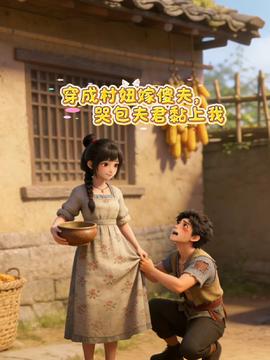
穿成村妞嫁傻夫,哭包夫君黏上我

灵御学院:从觉醒开始满级碾压

他沉醉,我逆袭人间富贵花

莫欺少女穷(谁都别想拦着我发财)

笑动剧场2026

开局充值系统觉醒SSS级领主 动态漫画

岂有此理 2026

执针改天命

诸界末日在线

激战伏兵湾

欲戴王冠

Happy Together-不是一个人真好

凤池生春

拿她当家族炮灰,偏偏她最狠
